







Why should Sweden and Korea collaborate more within life science?
– Sweden and Korea have highly complementary strengths. Sweden brings a research-driven life science ecosystem, strong biotech innovation and companies developing new approaches across areas such as therapeutics, diagnostics, medtech and advanced manufacturing. Korea, meanwhile, has a fast-growing biopharma ecosystem, strong capabilities in clinical development and production, and an ability to move quickly from innovation to market implementation.
– That combination creates clear opportunities. Swedish companies can benefit from Korean expertise in scale-up, clinical pathways, manufacturing and market access, while Korean companies and institutions can connect with Sweden’s innovation pipeline, scientific excellence and international networks. The collaboration is not only about opening doors to a new market. It is about building long-term partnerships that can accelerate research and development, attract investment and help bring new health solutions to patients faster.
What was the purpose of the Swedish delegation to Korea?
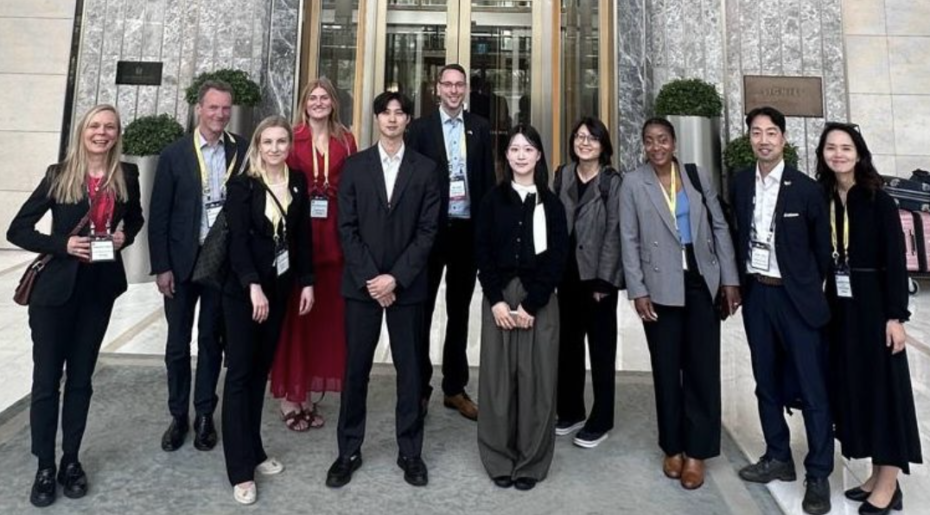
– SwedenBIO co-organised the initiative as part of the Nordic Health Summit Korea organised by Business Sweden, bringing 20 Swedish life science companies closer to Korean pharma, investors, industry organisations and healthcare environments.
– The program combined several important elements: market-entry insights, sessions on Korea’s biotech ecosystem, regulatory approaches, AI in drug development and investment opportunities, as well as company visits, matchmaking and business partnering. Delegates also participated in BIO KOREA 2026 and had opportunities to meet Korean stakeholders through the Nordic Pavilion, networking dinners and a reception at the Swedish Ambassador’s residence.
– This structure gave Swedish companies both strategic context and practical access: a better understanding of how the Korean ecosystem works, direct introductions to relevant partners, and a platform for exploring commercial and R&D collaboration.
What were the main outcomes of the delegation?
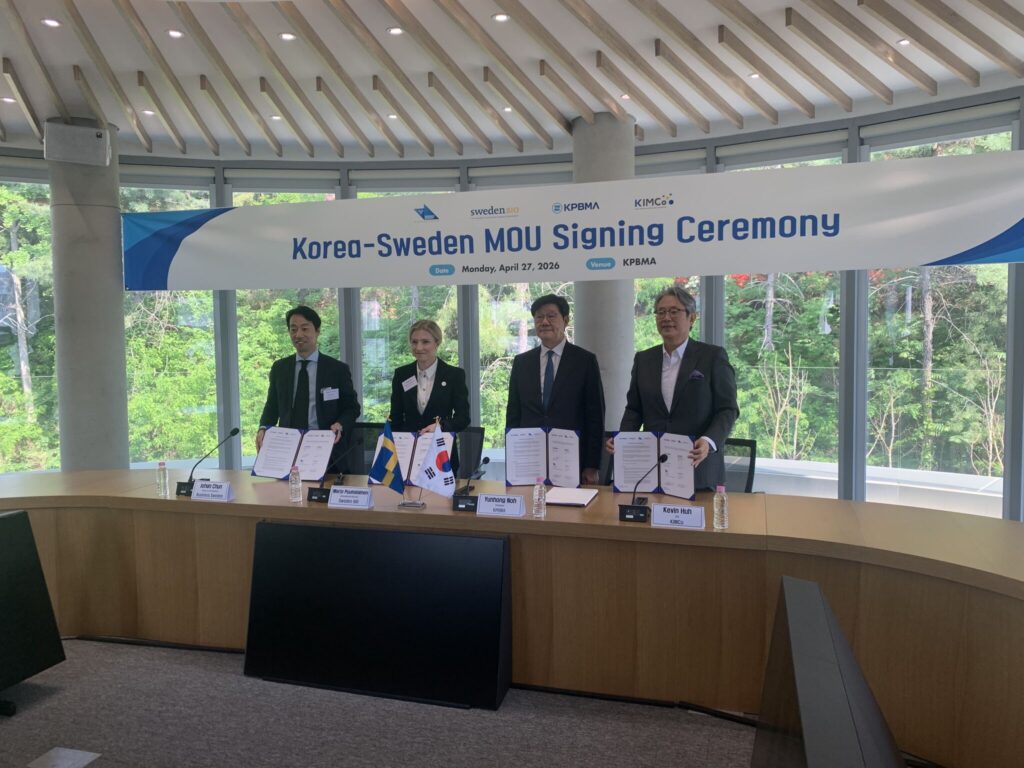
– A key outcome was the formalisation of Sweden–Korea life science collaboration through a memorandum of understanding signed in Seoul by SwedenBIO, Business Sweden, Korea Innovative Medicines Consortium and Korea Pharmaceutical and Bio-Pharma Manufacturers Association. The agreement expresses a shared intention to deepen cooperation in areas including joint research and development, investment and business development.
– The delegation created tangible business outcomes. Swedish companies met Korean industry actors, joined business partnering activities and visited important parts of Korea’s health and biopharma ecosystem, including Samsung Medical Center and the Osong Bio Cluster. Specific tracks also enabled meetings around areas such as advanced therapy medicinal products, manufacturing infrastructure and regulatory strategy.
– Just as importantly, the delegation created continuity. The MoU and the delegation were not one-off activities, but part of a broader effort to build a bridge between the two ecosystems. The collaboration will continue through Nordic Life Science Days 2026 in Stockholm, where a Korean delegation is expected to meet Swedish biopharma companies. In that sense, the delegation’s most important outcome was momentum: a stronger platform for Swedish and Korean life science actors to move from introductions to concrete partnerships.
